How to Maximize Your Parking Lot's Lifespan in Florida's Climate
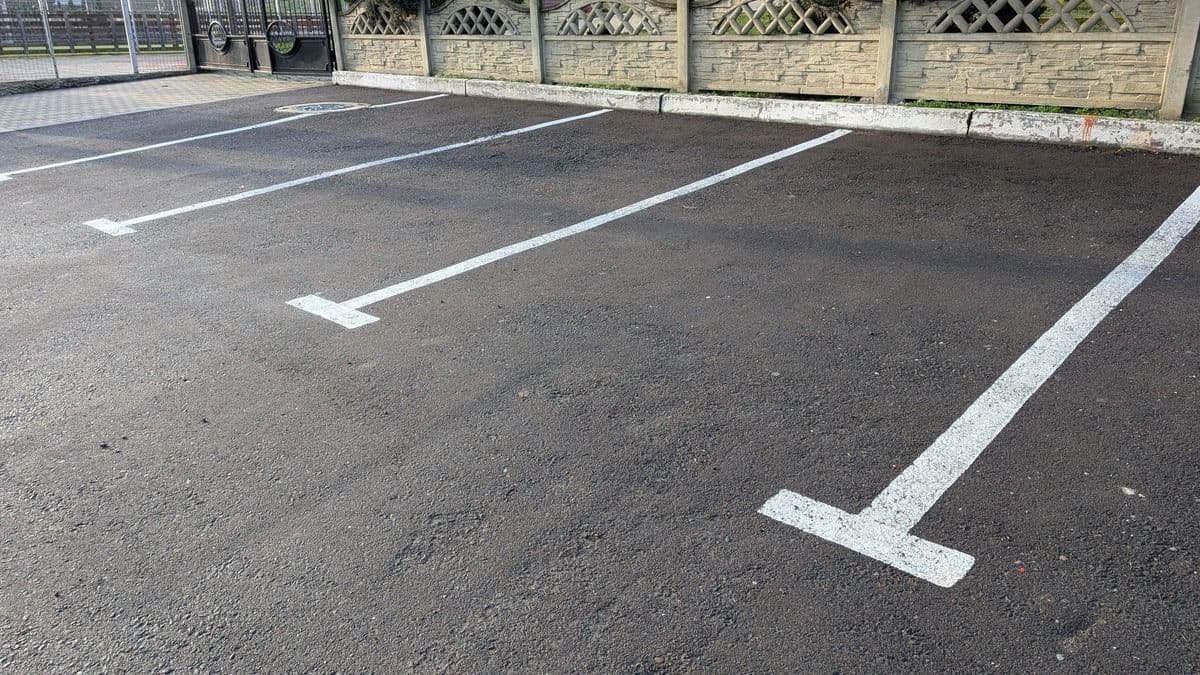

Florida's commercial real estate market is booming, but the state's climate is notoriously hostile to infrastructure. For commercial property managers, facility directors, and HOA boards, the parking lot is often the largest single capital asset on the property. Yet, it's also the most exposed to the elements.
A well-maintained parking lot is a critical component of your property's curb appeal, liability management, and ADA compliance. However, the combination of year-round intense ultraviolet (UV) radiation, torrential summer downpours, high humidity, and extreme heat creates a perfect storm for asphalt degradation and paint fading. Left unmanaged, a fresh, deep-black parking lot can turn into a brittle, pothole-riddled, gray expanse in under five years.
In this comprehensive guide, we will break down the science of asphalt failure in Florida, the specific environmental threats you face, and the exact preventative maintenance strategies you must deploy to maximize your parking lot's lifespan and save tens of thousands of dollars in premature repaving costs.
In my 15 years of managing striping and sealcoating projects across Florida, the most common—and most expensive—mistake I see property managers make is treating their asphalt like concrete. Asphalt is flexible and requires active maintenance. If you wait until it looks bad to fix it, you're already paying for a replacement.
The Anatomy of Asphalt: Why It Fails
To understand how to protect your parking lot, you must first understand what it is. Asphalt pavement, technically known as asphalt concreteA composite material commonly used to surface roads, is a composite material consisting of two primary ingredients: aggregate (crushed rock, gravel, and sand) and a liquid asphalt binder (a highly viscous, sticky, black, and highly refined petroleum product).
The aggregate provides the structural strength and load-bearing capacity, while the asphalt binder acts as the glue that holds the rocks together and provides flexibility. When asphalt is newly laid, it is rich in these essential oils, giving it a deep black color and the ability to flex under the weight of heavy vehicles without cracking.
However, from the moment it is laid, the asphalt binder begins to degrade. This process is called oxidation. As the binder oxidizes, it loses its essential oils, becoming stiff, brittle, and gray. It loses its ability to flex and hold the aggregate together. This is the root cause of almost all asphalt failure.
The Florida Elements: A Perfect Storm for Degradation
While oxidation happens everywhere, Florida's unique climate exponentially accelerates the process. Here is exactly what you are up against:
1. Intense Ultraviolet (UV) Radiation
Florida receives more direct, intense sunlight year-round than almost any other state. UV rays are the primary catalyst for oxidation. They break down the chemical bonds in the asphalt binder on a molecular level. Within just 12 to 18 months, an unprotected parking lot in Florida will begin to turn gray—the universal sign that the binder is failing and the asphalt is becoming brittle.
2. Torrential Rainfall and Standing Water
Florida is famous for its daily summer thunderstorms. Once UV rays have made the asphalt brittle and caused microscopic surface cracks, rain becomes the enemy. Water easily penetrates these micro-cracks, seeping down into the sub-base (the compacted dirt and gravel beneath the asphalt).
When the sub-base becomes saturated, it loses its load-bearing capacity. As heavy vehicles drive over the wet, weakened asphalt, the hydraulic pressure literally pumps the aggregate apart from the inside out. This leads directly to localized failure, alligator cracking (a series of interconnected cracks resembling alligator skin), and eventually, potholes.
3. Extreme Heat and Surface Temperatures
During a Florida summer, the ambient air temperature might be 95°F, but the surface temperature of black asphalt can easily exceed 150°F. This extreme heat softens the asphalt binder. While some flexibility is good, excessive softening allows heavy vehicles (especially delivery trucks, garbage trucks, and buses) to cause rutting, shoving, and depressions in the surface. It also causes the asphalt to track onto sidewalks and into buildings.
4. High Humidity and Biological Growth
Florida's constant high humidity creates an ideal environment for mold, mildew, and algae growth, particularly in shaded areas or low spots where water pools. While biological growth doesn't immediately destroy the asphalt, it creates a severe slip-and-fall hazard for pedestrians (increasing your liability) and holds moisture against the surface, accelerating water damage.
Water is the ultimate destroyer of asphalt. Every maintenance strategy you deploy should be focused on one primary goal: keeping water out of the sub-base.
The Preventative Maintenance Arsenal: Maximizing Lifespan
The key to maximizing your parking lot's lifespan is to be proactive, not reactive. Preventative maintenance costs pennies per square foot; full depth reclamation (repaving) costs dollars per square foot. Here is the recommended maintenance schedule for Florida properties:
1. Sealcoating (The Sunscreen for Your Asphalt)
Sealcoating is the single most important preventative maintenance task you can perform. A sealcoatA protective coating applied to asphalt-based pavements is a liquid emulsion applied to the surface of the asphalt. It acts exactly like sunscreen and moisturizer combined.
A high-quality sealcoat:
- Blocks UV Rays: It provides a physical barrier that stops the sun from breaking down the asphalt binder.
- Replenishes Oils: It restores essential oils to the surface, bringing back the deep black color and improving flexibility.
- Waterproofs the Surface: It fills in micro-cracks and seals the porous surface, preventing water from penetrating into the sub-base.
- Resists Chemicals: It protects the asphalt from gas, oil, and chemical spills, which rapidly dissolve the petroleum-based asphalt binder.
The Florida Schedule: In Florida, a new parking lot should receive its first sealcoat within 12 to 24 months of installation (after the asphalt has fully cured). Thereafter, it should be sealcoated every 2 to 3 years, depending on traffic volume and sun exposure.
2. Hot Pour Crack Filling (The First Line of Defense)
No matter how well you maintain your lot, cracks will eventually form due to thermal expansion, contraction, and ground settling. The moment a crack appears that is wider than 1/4 inch, it must be filled.
Crack filling involves cleaning the crack with pressurized air or a heat lance and injecting a hot-applied, rubberized asphalt sealant. This sealant bonds to the walls of the crack and remains flexible, moving with the asphalt as it expands and contracts. This completely seals the crack, preventing water from reaching the sub-base.
The Florida Schedule: Crack filling should be an ongoing, annual maintenance task. Do not wait for your next sealcoating cycle to fill large cracks.
3. Professional Restriping (Safety and Compliance)
While striping doesn't physically protect the asphalt, it is crucial for safety, traffic flow, and ADA compliance. Faded lines lead to fender benders, inefficient use of space, and costly ADA fines. In Florida, the intense sun and heavy rain degrade traffic paint quickly. Furthermore, regular sealcoating will cover your existing lines, necessitating a fresh layout.
It is vital to use high-quality, traffic-grade paint (such as chlorinated rubber or high-build acrylics) that contains glass beads for nighttime retroreflectivity. Ensure your striping contractor is intimately familiar with the Americans with Disabilities Act (ADA)The official U.S. government website for the ADA requirements for accessible parking, aisle widths, and signage in Florida.
The Florida Schedule: Restriping should occur immediately after every sealcoat. Additionally, high-traffic areas (like drive lanes and fire lanes) may require restriping every 12 to 18 months to maintain visibility and compliance.
4. Routine Sweeping and Cleaning
Sand, gravel, and dirt act like sandpaper under the tires of turning vehicles, rapidly wearing away the sealcoat and the top layer of asphalt aggregate. Furthermore, accumulated debris holds moisture against the surface. Regular sweeping removes this abrasive material and extends the life of your sealcoat.
The Florida Schedule: Depending on your property type, sweeping should occur weekly or monthly. Immediate cleanup of oil and gas spills is also critical.
Pro Tip: Inspect your parking lot after a heavy summer downpour. Look for 'birdbaths' (areas of standing water). These low spots indicate sub-base failure or poor drainage and should be monitored closely for alligator cracking.
The Financial Reality: ROI of Preventative Maintenance
Let's look at the numbers. The cost of completely tearing out and repaving a commercial parking lot can easily exceed $3.00 to $5.00 per square foot. For a standard 50,000 square foot retail lot, that's an unexpected capital expenditure of $150,000 to $250,000.
Conversely, a comprehensive preventative maintenance program (including regular sealcoating, crack filling, and restriping every 3 years) typically costs between $0.25 and $0.40 per square foot. Over a 15-year period, you might spend $40,000 to $60,000 on maintenance, but you will completely avoid the $250,000 repaving bill. More importantly, an unmaintained lot will fail in 10 to 12 years in Florida. A properly maintained lot can last 20 to 25 years or more.
Conclusion
Your parking lot is a massive investment and the literal welcome mat for your commercial property. Florida's harsh environment is unforgiving, but degradation is not inevitable. By understanding the science of asphalt failure and committing to a proactive, aggressive preventative maintenance schedule—centered around sealcoating and crack filling—you can double the lifespan of your pavement, ensure strict ADA compliance, and maintain a pristine, professional appearance for your tenants and customers year-round.
Don't let the Florida sun destroy your investment. The time to start your maintenance program is the day the asphalt is laid, not the day the first pothole appears.